Why the Boy Child Needs Our Attention Too
Children
Jun 23, 2025
For years, campaigns for gender equity have rightly focused on the girl child. From access to education and reproductive rights to freedom from early marriage, the global push to empower girls has made great strides. But somewhere along the way, we’ve stopped asking an important question: What about the boys?
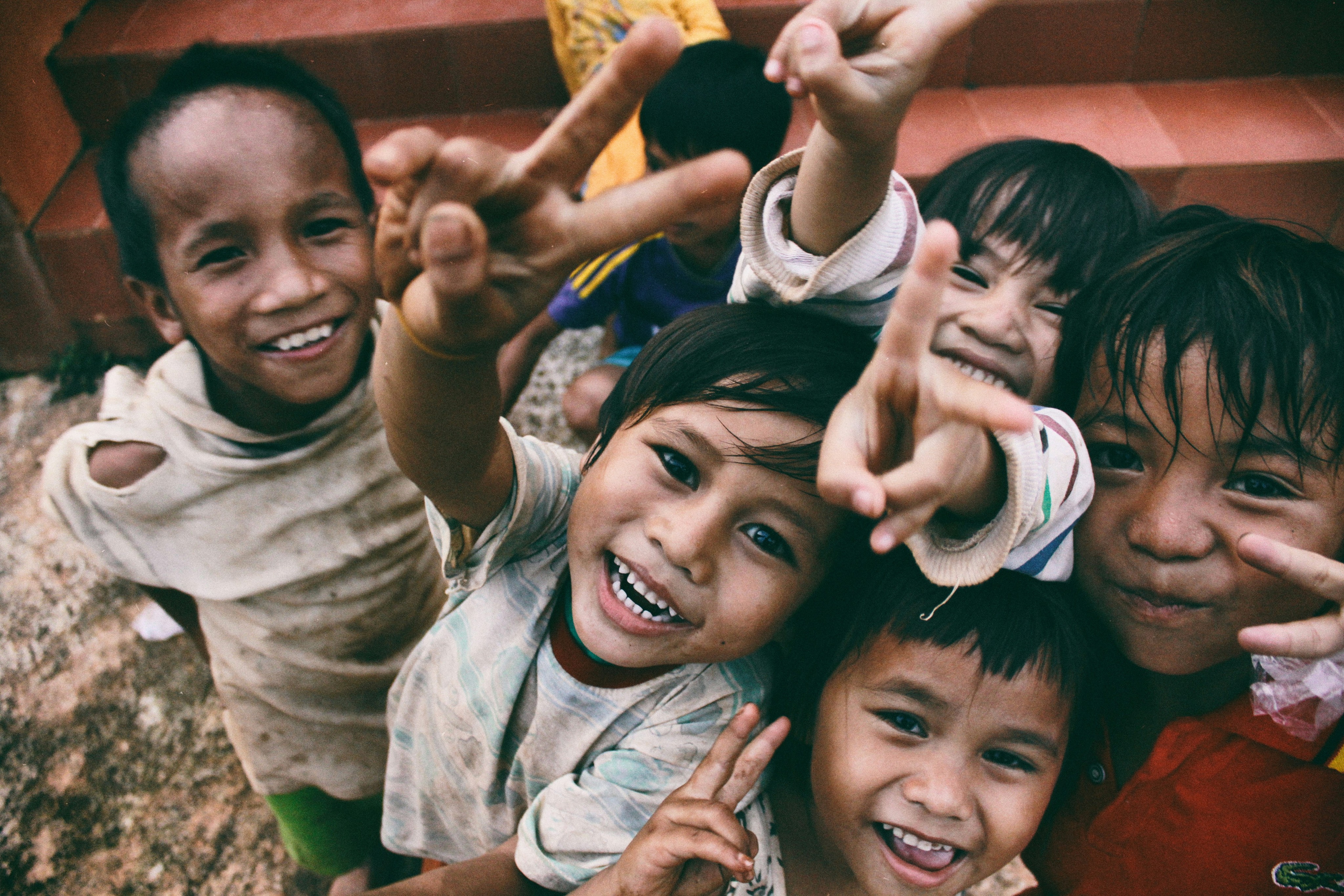
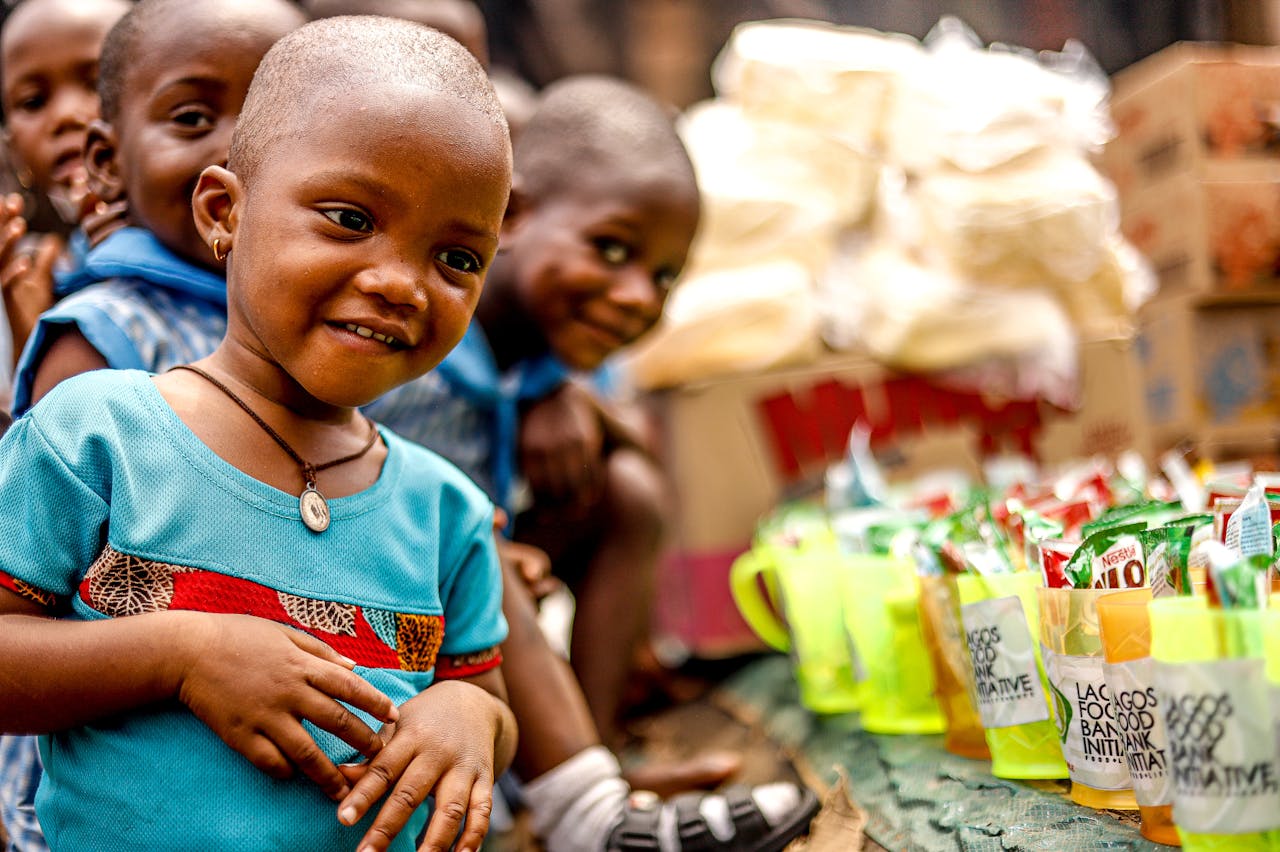
The boy child is facing a silent crisis—one we don’t talk about nearly enough. In many communities, especially in Uganda, boys are falling behind in school, dropping out early, becoming more vulnerable to substance abuse, and lacking access to emotional support. The assumption has long been that boys will “figure it out” or “man up.” But this mindset is costing us an entire generation of young men.
A Changing Landscape
Traditionally, boys were seen as future breadwinners and leaders, given opportunities by default. That’s no longer the case. Today, we’re seeing more boys disengaged from school, emotionally disconnected, and socially isolated. In low-income communities, the pressure on boys to earn money early often pushes them into child labor, petty crime, or risky environments—robbing them of education and stability.
At the same time, social expectations around masculinity discourage boys from expressing vulnerability or seeking help. If a boy is struggling emotionally, he’s often told to “toughen up.” This can lead to long-term mental health issues, behavioral challenges, and even violence.
Inclusion Means Everyone
Empowering girls should never come at the cost of ignoring boys. True gender equity is about balance. It’s about giving every child—regardless of gender—the tools and support they need to thrive.
At the Karitas Karisimbi Foundation, we’re working to shift that narrative. We believe in equal opportunity, not competition between genders. We believe the boy child deserves focused interventions too—early mentorship, emotional support, access to education, and a safe space to grow.
What Can We Do?
Support mentorship programs that help boys build confidence and resilience.
Train parents and educators to recognize the unique challenges boys face.
Enforce child protection laws that keep boys in school and out of labor.
Talk about mental health, especially in boys, without shame or stigma.
We’re not asking for less support for girls. We’re asking for inclusive support—where no child is forgotten.
Final Thought
The boy child is not a threat to progress. He is part of it. If we want stronger families, safer communities, and a more balanced society, we must include boys in the conversation. It’s time to act.
Previous Article